

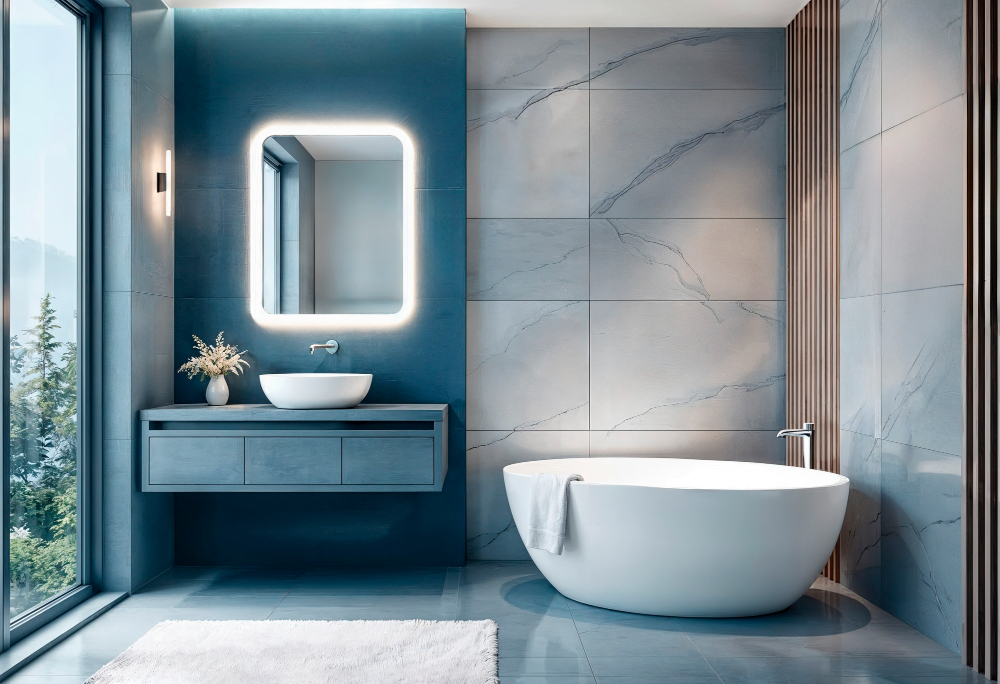
Bathrooms have evolved far beyond their traditional role as purely functional spaces. Once designed only for basic hygiene, today’s bathrooms are becoming high-tech environments that blend comfort, sustainability, and automation. Smart bathroom innovations are reshaping how people interact with water, lighting, temperature, and even personal health monitoring. As homes become increasingly connected, the bathroom is emerging as one of the most advanced rooms in the modern household. In fact, modern luxury bathroom renovations increasingly prioritize smart features such as automated lighting, digital showers, and integrated health-monitoring systems, reflecting how technology and design are merging.
The Rise of the Smart Bathroom
The concept of a smart bathroom is part of the broader smart home ecosystem, where internet-connected devices work together to improve convenience and efficiency. In bathrooms, this transformation is especially impactful because it touches daily routines that are essential to health and well-being.
Smart bathrooms integrate technologies such as sensors, artificial intelligence, voice control, and automation. These systems can manage water usage, adjust lighting, preheat showers, monitor air quality, and even analyze health indicators. The goal is not just luxury, but also sustainability and personalization.
Smart Showers and Water Management
One of the most popular innovations is the smart shower system. These showers allow users to precisely control water temperature, flow rate, and duration through digital interfaces or mobile apps. Some advanced systems even remember individual preferences, so each family member can have a personalized shower experience.
Beyond comfort, smart showers play a significant role in water conservation. Many systems include timers, eco-modes, and real-time usage tracking. Some models provide feedback on water consumption, encouraging users to reduce waste. This is particularly important in regions facing water scarcity, where efficient usage is essential.
In addition, temperature stability technology prevents sudden changes in water temperature, improving safety and comfort. This is especially useful for households with children or elderly individuals.
Intelligent Toilets and Hygiene Enhancement
Smart toilets represent one of the most significant upgrades in bathroom technology. These toilets often include features such as automatic flushing, heated seats, bidet functions, self-cleaning surfaces, and odor control systems.
Advanced models use motion sensors to detect when a user approaches, automatically opening the lid and preparing the toilet for use. After use, automated cleaning systems reduce the need for manual maintenance and improve hygiene.
Some smart toilets go even further by incorporating health monitoring features. They can analyze waste to detect signs of dehydration, infections, or other health conditions. While still an emerging technology, this capability highlights the growing connection between bathroom devices and personal health tracking.
Smart Mirrors and Interactive Displays
Smart mirrors are another major innovation transforming bathroom spaces. At first glance, they look like ordinary mirrors, but they are equipped with integrated displays and connectivity features.
These mirrors can show real-time information such as weather updates, calendar reminders, and news headlines while users prepare for their day. Many models also include touch controls or voice activation, allowing users to adjust settings without physical interaction.
Lighting customization is another key feature. Smart mirrors can adjust brightness and color temperature to simulate different environments, helping users with grooming tasks like shaving or makeup application. Some advanced versions include skin analysis tools that provide feedback on hydration levels or skin conditions, offering a basic form of at-home dermatological insight.
Lighting and Ambiance Control
Lighting plays a crucial role in bathroom design, and smart lighting systems are making it more flexible and efficient. LED-based smart lighting can be adjusted for brightness, color, and timing, often controlled through smartphone apps or voice assistants.
For example, a morning routine might include bright, cool lighting to help wake the user up, while an evening bath could feature warm, dim lighting to promote relaxation. Motion-activated lighting also improves energy efficiency by ensuring lights are only on when the room is in use.
Some systems integrate with circadian rhythm technology, automatically adjusting lighting throughout the day to support natural sleep-wake cycles. This contributes not only to comfort but also to overall well-being.
Smart Showers, Baths, and Climate Control
Beyond water and lighting, smart bathrooms are also improving environmental comfort through integrated climate systems. Smart ventilation systems regulate humidity levels to prevent mold growth and maintain air quality. Sensors detect moisture levels and activate fans automatically when needed.
Heated flooring is another popular feature, often controlled through smart thermostats. Users can schedule heating cycles or adjust temperatures remotely before entering the bathroom. This creates a consistently comfortable environment, especially in colder climates.
Some luxury systems even allow users to pre-set bath conditions, such as filling a tub to a specific temperature and depth at a scheduled time. These automated bath systems bring spa-like convenience into the home.
Health Monitoring and Wellness Integration
One of the most exciting areas of innovation is health-focused bathroom technology. Smart scales, mirrors, and toilets can now collect biometric data such as weight, body composition, heart rate, and even urine analysis indicators.
This data can be synced with health apps, giving users a more complete picture of their wellness over time. While not a replacement for medical professionals, these tools offer early insights that may help users adopt healthier habits or identify potential issues earlier.
Wearable integration is also becoming common. Smart bathrooms can connect with fitness trackers and smartwatches to adjust lighting, temperature, or shower settings based on user activity or stress levels.
Sustainability and Environmental Impact
Sustainability is a major driving force behind smart bathroom innovation. Water-saving fixtures, energy-efficient lighting, and intelligent heating systems all contribute to reducing environmental impact.
Leak detection sensors are another important feature. These systems can identify abnormal water flow and alert homeowners before significant damage occurs. This not only conserves water but also prevents costly repairs.
By combining automation with real-time monitoring, smart bathrooms encourage more responsible resource consumption without requiring constant user attention.
The Future of Smart Bathrooms
As technology continues to advance, bathrooms are expected to become even more personalized and autonomous. Artificial intelligence will likely play a bigger role in predicting user preferences and automating entire routines, from lighting and temperature to water usage and entertainment options.
We may also see deeper integration with healthcare systems, where bathroom devices provide continuous, non-invasive health monitoring. Additionally, improvements in materials and design will make smart technology more affordable and accessible to a wider range of households.
Conclusion
Smart bathroom innovations are redefining one of the most essential spaces in the home. What was once a purely functional room is becoming a center of comfort, efficiency, and health awareness. From intelligent toilets and adaptive lighting to water-saving showers and health-monitoring mirrors, these technologies are changing daily routines in subtle but powerful ways.
As adoption grows, smart bathrooms will not only enhance convenience and luxury but also contribute to sustainability and personal well-being, making them a key part of the modern connected home.

