

Seasonal spikes in demand can catch even well-prepared businesses off guard. Whether it’s a retail peak before the holidays or a sudden increase in orders, having a plan for quickly scaling up equipment capacity can make the difference between capitalizing on the opportunity and struggling to keep up.
Recognizing the Signs Early
The businesses that handle seasonal surges most smoothly are usually the ones that start planning before the rush actually hits. Looking at historical patterns, whether from previous years or industry trends, helps predict when additional equipment capacity will likely be needed.
Why Speed Matters
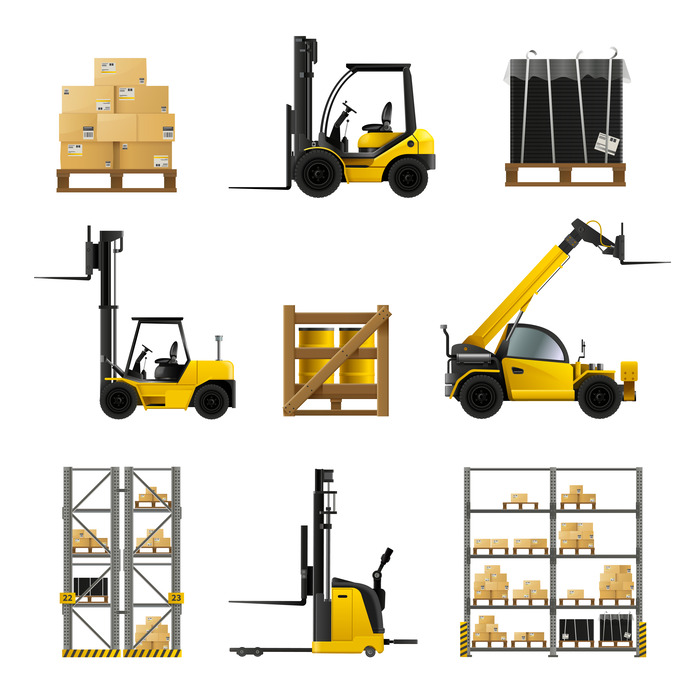
During a genuine busy season, there’s rarely time for a lengthy procurement process. Having a fast, reliable path to additional equipment — arranging forklift hire on short notice, for example — can be the difference between meeting demand and losing business to slower fulfillment times.
Building Relationships Before You Need Them
Rather than waiting until the last minute to find an equipment provider, businesses that establish relationships with rental companies ahead of peak season tend to get faster, more reliable service when it actually counts. A provider who already understands your operation can move much more quickly than one you’re contacting for the first time under pressure.
Read more: Ways a Hosted Phone System Can Help Small Businesses Succeed
Balancing Cost Against Opportunity
It’s tempting to view additional equipment rental purely as an added cost, but during a genuine demand spike, the cost of not having enough capacity — missed orders, delayed shipments, frustrated customers — is usually far higher than the rental expense itself.
Training Staff for Temporary Equipment
If seasonal scaling means bringing in equipment your regular staff aren’t already familiar with, building in a bit of time for orientation avoids inefficiencies or safety issues once the pressure is on. Even a short briefing can make a meaningful difference to how smoothly things run.
Turning Seasonal Pressure Into an Advantage
Businesses that plan for scalability, rather than treating each busy season as a crisis, tend to come out ahead of competitors who scramble reactively. A bit of foresight around equipment access turns what could be a stressful period into a genuine growth opportunity.
Reviewing Performance After the Rush
Once the busy period passes, it’s worth taking time to review what worked and what didn’t. Did the additional equipment arrive when needed? Was capacity sufficient, or did you still hit bottlenecks? This kind of review makes each subsequent busy season easier to manage than the last, turning hindsight into a genuine operational advantage.
Communicating Plans Across the Business
Scaling equipment capacity works best when it’s not handled in isolation by one department. Keeping sales, operations, and logistics teams aligned on anticipated demand ensures equipment decisions are based on the fullest possible picture, rather than being made reactively by whoever notices the shortage first.
Setting Aside Contingency Budget
Even with good planning, unexpected surges happen. Setting aside a modest contingency budget specifically for scaling equipment needs means you’re not scrambling to justify the expense in the moment, which can slow down decision-making exactly when speed matters most.
Learning From Industry Peers
Talking to other businesses in your sector about how they’ve handled similar seasonal pressures can surface practical ideas you might not have considered. Industry associations and informal networks are often underused resources when it comes to sharing this kind of operational insight.
Keeping Customers Informed Along the Way
If scaling up equipment means adjusting delivery timelines or order processing speeds temporarily, communicating this proactively to customers tends to be received far better than silence followed by a delay. Transparency during a busy season often does more for customer trust than a flawless but unexplained process.
Building Resilience for Whatever Comes Next
Every busy season is a chance to strengthen the systems and relationships that make the next one easier to handle. Businesses that treat scaling as an ongoing capability, rather than a one-time scramble, consistently find themselves better positioned than competitors each time demand spikes again.
Turning Preparation Into a Genuine Advantage
The businesses that thrive during peak periods aren’t necessarily the ones with the most resources — they’re the ones who planned ahead, built the right relationships, and treated scalability as a core part of how they operate rather than an afterthought. That mindset shift alone often separates the businesses that grow through their busiest seasons from those that simply survive them.

