
The field of mental healthcare services is undergoing rapid transformation due to the impact of automation and innovations. Professionals in the domain of healthcare, as well as the supporting personnel and researchers in the area, are utilizing digital methods to increase access, facilitate better decision-making in clinical settings, and provide improved experiences for patients. Innovations help in building a more responsive system while providing professionals the opportunity to pay increased attention to interacting with patients. It is important to understand these trends in order to appreciate the opportunities and challenges ahead.
Digital Transformation in Healthcare Expands Access
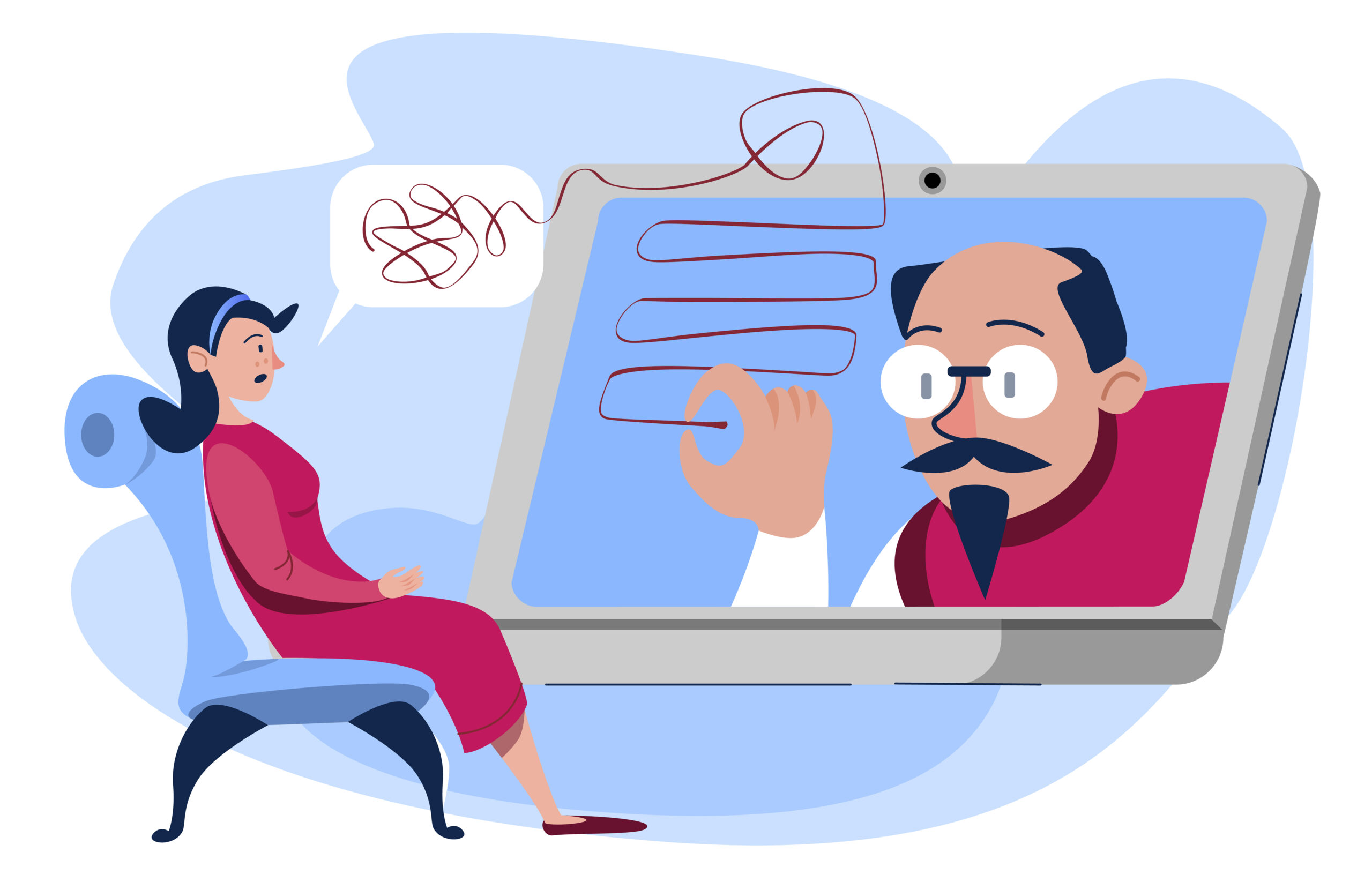
The adoption of digital transformation in the healthcare sector has revolutionized mental health service access and delivery by introducing secure telehealth, electronic medical records, cloud-based collaboration tools, and mobile health applications, which empower healthcare professionals to plan their work effectively while making it easier for individuals in far-flung locations to access such services. Automating appointment booking, using online forms for patient intake processes, and implementing remote monitoring have decreased paperwork for healthcare providers while increasing consistency throughout the treatment process. These developments lead to better communication among multidisciplinary health teams, fast information exchange, and engagement of patients in treatment.
Artificial Intelligence Supports Better Clinical Decisions
Artificial intelligence has turned out to be an asset to mental health specialists who look for more information about their patients. Modern algorithms have the ability to find any patterns in clinical data, detect early warnings, and point to some possible risks worth exploring. Instead of substituting healthcare providers, such software is used as a supporting instrument for enhancing diagnosis and ensuring proper treatment. Predictive analysis allows healthcare facilities to use their financial resources more wisely and detect trends among their patients. However, it is critical to ensure proper implementation of these innovations.
Expert Guidance Simplifies Medico-Legal Processes
Mental health services often intersect with legal matters involving capacity assessments, workplace disputes, insurance claims, or court proceedings. Experienced professionals provide objective evaluations that assist decision-makers by presenting clear, evidence-based findings. Organizations and individuals may choose to invest in an independent medico-legal psychiatric assessment to obtain impartial expert opinions that support informed legal outcomes. The integration of specialized skills with electronic records will ensure that the entire process becomes well-organized, but at the same time, the integrity, confidentiality, and professionalism involved in the process remain intact.
Automation Streamlines Administrative Workflows
Efficiency in the administrative process is very important for providing quality services in the area of mental health. The use of automation will help eliminate routine duties like scheduling, insurance checkups, documentation assistance, billing processes, and data management. By freeing up more time from routine activities, more time can be used by practitioners to pay more attention to their clients and form good relationships with them. Workflow automation will help reduce mistakes in operations, enhance compliance with regulations, and make work more consistent. Patients, in turn, will have an easier time scheduling visits and communicating with doctors.
Innovation Encourages Personalized and Preventive Care
Innovation in technology is leading to a transformation of mental healthcare through personalization and prevention. Wearables, symptom-tracking apps, and smart analysis enable professionals to track development and notice any significant shifts that might be worth paying attention to. Personalized advice helps engage patients by matching interventions with their unique needs, wants, and treatment objectives. Automation facilitates prevention as well, by detecting any issues before they turn into something more complex. While technology is not going to replace empathy or clinical reasoning, it improves professional skills by providing relevant information.
In conclusion, the integration of technology and innovation is changing the field of mental health with intelligent clinical assistance, greater digital accessibility, improved administration, enhanced medico-legal procedures, and more customized treatment options. This allows for greater efficiency in operations as well as improvements in patients’ quality of experience and overall health outcomes. The key to achieving success lies in striking a balance between technological advancements, ethics, privacy considerations, and professionalism.

